Sturdy & Elegant Fencing Solutions: Improve Safety and Privacy for Your Home
Long-lasting and elegant fencing solutions are fundamentally important in enhancing both security and privacy for homes. By choosing the most appropriate materials and designs, homeowners can establish clear boundaries while improving their property's overall aesthetic. However, the planning process involves various considerations that reach further than visual appeal. Understanding these factors can profoundly affect the effectiveness and longevity of a fencing project. What should homeowners prioritize when starting this journey?
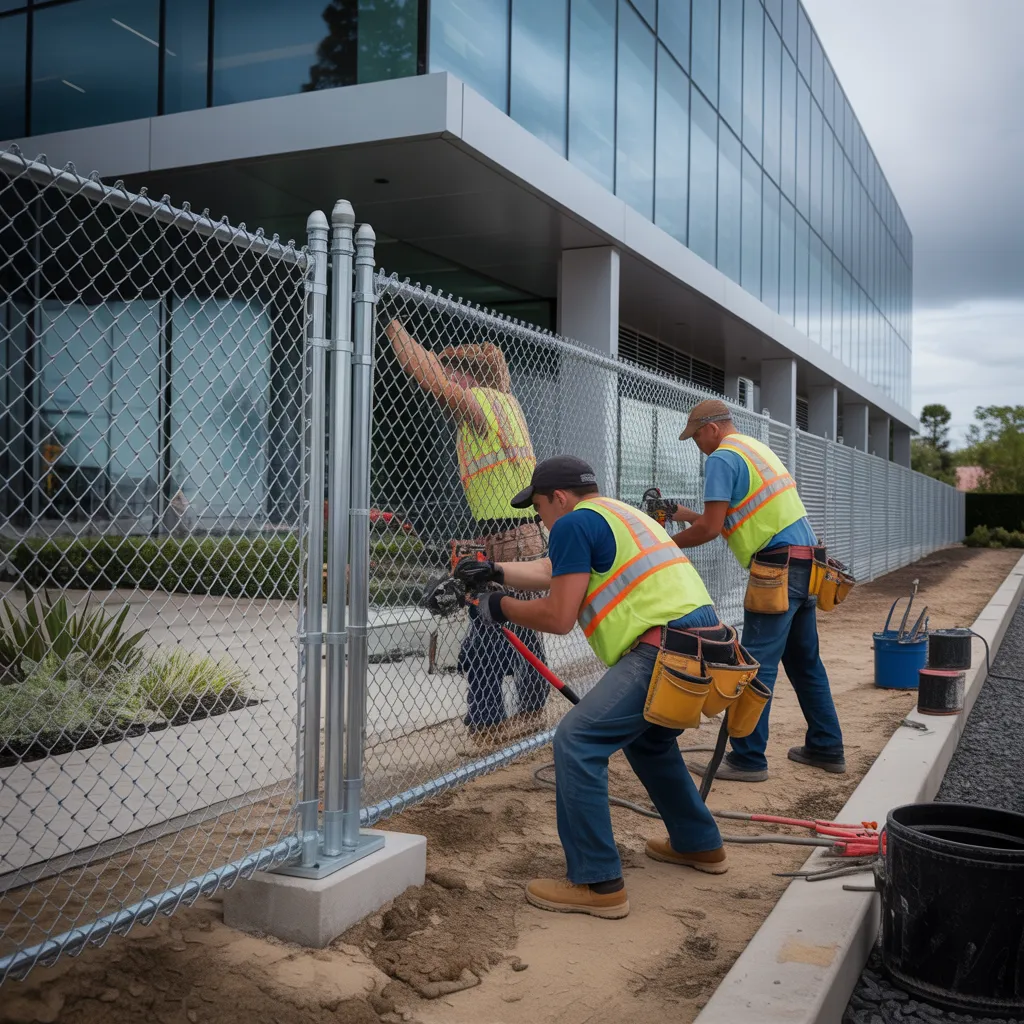
Why Fencing Is Important for Home Security and Privacy
Fencing functions as a critical barrier in establishing home security and privacy. By forming a distinct boundary, it deters unwanted intrusions and enhances the sense of safety for homeowners. A well-constructed fence not only controls access to the property but also acts as a visual deterrent, signaling to potential intruders that the premises are protected.
In addition, fencing contributes to privacy by restricting the view from outside, enabling homeowners to enjoy their outdoor spaces without feeling exposed. This benefit is particularly beneficial in crowded neighborhoods where houses are in close proximity.
Moreover, high-quality fencing has the potential to boost property value, as prospective purchasers tend to prioritize privacy and security features. Residents also enjoy the comfort of knowing their private space is sufficiently secured. Ultimately, fencing represents a core component of home security and privacy, offering both functional and decorative value.
Which Fencing Material Is Right for My Home?
When determining the optimal fence material for home security and privacy, multiple choices provide notable advantages. Wooden fencing provides a traditional appearance and organic appeal, while vinyl fencing offers easy maintenance and strength. Metal fencing, on the other hand, provides unparalleled durability and strength, positioning it as an excellent option for extended protection.
Benefits of Wood Fences
Of the many fencing options on the market, wood stands out for its exceptional combination of visual charm and functional advantages. It provides a timeless charm that can complement a variety of architectural styles, boosting the visual attractiveness of any property. Wood fencing is also remarkably versatile, allowing homeowners to choose from a range of heights, styles, and surface treatments to match their personal tastes. Furthermore, wood is an eco-friendly resource, making it an environmentally friendly option. Its built-in thermal characteristics deliver modest sound insulation and temperature management, fostering a peaceful living space. With proper maintenance, wood fencing can resist the elements and stand the test of time, ensuring enduring safety and privacy for property owners. Therefore, wood fencing emerges as an appealing and effective solution for defining and improving property lines.
Benefits of Vinyl Fencing
Vinyl fencing presents several key advantages that make it a compelling choice for homeowners who want both security and visual appeal. This versatile material is incredibly strong, built to resist the elements, and does not warp, rot, or fade over time, guaranteeing a durable and reliable solution. Its minimal upkeep needs are another major advantage, as it typically only needs occasional cleaning with soap and water. Vinyl fencing can be found in numerous styles and color options, allowing homeowners to customize their outdoor space while improving the overall look of their home. Moreover, it offers superior privacy, as solid panels work efficiently to obscure sightlines from neighbors. With its combination of strength, style, and minimal upkeep, vinyl fencing emerges as an ideal choice for contemporary homes.
The Durability of Metal Fences
Metal fencing is renowned for its exceptional durability, making it a preferred option for homeowners focused on long-term security and low maintenance. Built to withstand rot, pests, and severe weather conditions, metal fences often outlast other materials, such as wood or vinyl. Steel and aluminum, the most widely used metal fencing materials, offer strength and stability, making certain they hold up well over the years. Additionally, many metal fences feature protective coatings that prevent rust and corrosion, further enhancing their lifespan. Even though the initial expense may be greater than alternative materials, the lasting performance and reduced maintenance demands make metal fencing a wise financial investment in the long run. In summary, metal fencing proves to be an excellent choice for those who desire both security and lasting performance.
Picking a Fencing Style That Matches Your Home's Design
Picking a fence style that complements a home's architecture is important for preserving visual harmony. Residents must consider how different materials can improve or diminish their property's aesthetic. Careful material choice not only contributes to visual appeal but also impacts longevity and performance.
Design Harmony Principles
Architectural harmony enhances the overall aesthetic of a property, making it critical to choose a fence design that matches the property's style. A thoughtfully picked fence can complement architectural features, hues, and garden design, strengthening the home's identity. For instance, a contemporary home may be enhanced by clean, streamlined fence designs, while a classic residence might be ideally suited to classic picket or wrought iron styles. Additionally, accounting for the size and dimensions of the home alongside the fence guarantees visual balance. This careful choice not only elevates the home's attractiveness but also boosts its overall property value. Ultimately, a harmonious fence fits effortlessly with the overall design, creating a cohesive and inviting environment for both occupants and visitors.
Material Selection Importance
Picking the ideal materials for fencing plays a major role in both practicality and visual appeal. Property owners ought to evaluate various materials, such as wood, vinyl, aluminum, and wrought iron, all of which provide distinct advantages. Wood offers a traditional aesthetic that can be tailored to suit any style, while vinyl demands little maintenance and holds up against harsh weather. Aluminum offers durability and security without the weight of wrought iron, which combines sophistication with exceptional strength. The chosen material ought to complement the property's design while fulfilling essential requirements such as privacy and security. Moreover, the surrounding climate can influence how long materials remain effective, making careful selection a top priority. Ultimately, the right material enhances both the visual harmony of the property and its overall functionality.
Privacy Fencing Benefits
Even though many homeowners focus on aesthetic appeal in their outdoor environments, the benefits of privacy fencing extend far beyond mere looks. Privacy fencing serves as a critical barrier against prying eyes, creating a secluded environment that enhances comfort and security. It noticeably dampens sound from adjacent areas, leaving outdoor environments more serene and relaxing. Moreover, privacy fencing can function as a safeguard for gardens and surrounding greenery, deterring animals and unwanted visitors.
Additionally, such fencing has the potential to raise property value by improving the overall appeal and functionality of the home. It also fosters a sense of privacy and personal space, permitting families to partake in outdoor activities without feeling overlooked. The appropriate privacy fence can harmonize with the home's architecture while delivering key security benefits. Ultimately, choosing to invest in privacy fencing not only boosts aesthetic appeal but also substantially improves a homeowner's peace of mind and overall quality of life.
Fencing Local Regulations
When exploring fencing solutions for home security and privacy, homeowners must be aware of municipal regulations that control installation and design. Such regulations can vary considerably from one municipality to another, frequently covering height restrictions, material specifications, and placement guidelines. Property owners are usually required to acquire permits before constructing a fence, particularly when it goes beyond a designated height or utilizes non-standard materials.
Furthermore, community organizations may enforce their own rules, which can also affect planning options. It is essential to check local regulations and boundary lines to prevent conflicts with neighboring properties and secure regulatory alignment. Disregarding these rules can bring about financial consequences or the obligation to demolish an incorrectly erected fence. By educating themselves about local rules, homeowners and residents can reach educated conclusions that boost both functionality and appearance without legal repercussions.
How to Budget for Your Fencing Project
Budgeting for a fencing project necessitates detailed planning and evaluation of several key factors. Property owners should begin by identifying the overall length of fence necessary and the type of material desired, as prices can differ significantly among materials such as wood, vinyl, and metal. Additionally, they need to factor in extra costs, including workforce costs, necessary permits, and any required equipment.
It's equally important to account for the likely necessity of site preparation, such as cutting back vegetation or evening out the ground. Property owners should collect estimates from multiple contractors to ensure a fair and competitive rate and keep in mind any seasonal savings that might be applicable.
Moreover, establishing a emergency fund, commonly between 10 and 15 percent of the overall budget, can aid in covering unanticipated expenditures. By carefully evaluating these elements, people can build a practical budget that aligns with their fencing needs while boosting their residence's protection and privacy.
Maintenance Tips for Long-Lasting Fencing
After setting a budget and choosing the correct materials for a fencing project, homeowners should concentrate on upkeep to protect their investment long-term. Regular inspections are essential; identifying signs of rot, rust, or wear can prevent the need for larger repairs. With wooden fences, using a protective sealant every few years provides a barrier against moisture and pests. Metal fences should be cleaned periodically to remove dirt and grime, while also checking for corrosion that may require repainting. In addition, maintaining trimmed vegetation along the fence line decreases moisture retention and safeguards against root damage. Vinyl fencing can be kept looking its best with a straightforward wash using soapy water. Taking care of minor repairs without delay is key to extending the fence's longevity. Following these maintenance guidelines allows homeowners to keep their fencing both functional and visually appealing for many years.
Upgrading Fencing With Intelligent Security Features
Incorporating intelligent security elements into fencing improves safety and simultaneously elevates the utility of exterior areas. Modern advancements in technology have made it possible to incorporate elements such as motion sensors, surveillance cameras, and smart locks directly into fencing systems. These additions offer homeowners real-time alerts and the ability to oversee their property from a distance.
Motion detectors are capable of identifying suspicious behavior, delivering real-time updates directly to residents' mobile devices. Security cameras built into the fencing system are able to record high-quality footage, discouraging unauthorized individuals from attempting entry. Additionally, intelligent gate locks enable keyless access and are manageable through smartphone applications, delivering a seamless blend of accessibility and safety.
Furthermore, modern fencing innovations can be integrated with smart home systems, enabling natural synchronization with complementary security components. With these enhancements, property presentation owners can enjoy greater peace of mind while additionally introducing a touch of elegance to their outside environments.

Questions We Often Receive
How Long Does It Take to Install a New Fence?
Installing a new fence typically takes anywhere from one to three days, influenced by factors such as material choice, overall length, and ground conditions. Both weather conditions and local regulations may impact the project's overall completion timeline.
Can I Put Up a Fence Myself, or Should I Hire a Professional to Do It?
Homeowners may choose to install fencing on their own if they possess the required knowledge and equipment; however, enlisting a professional contractor ensures skill, precision, and adherence to local codes, ultimately leading to a more dependable and visually appealing finished product.
What Is the Average Lifespan of Different Fencing Materials?
The average lifespan of fencing materials varies: wood lasts about 10-15 years, vinyl typically lasts between 20-30 years, metal can endure between 30-50 years, and composite materials offer durability similar to wood but often last longer.
In What Ways Do Weather Conditions Influence Fence Longevity
Weather plays a significant role in the durability of fencing; harsh sunlight can warp materials, while high levels of moisture often cause rot or corrosion. Routine upkeep can help reduce these issues, prolonging the lifespan and integrity of various fencing options.
Are Environmentally Friendly Fencing Choices Available?
There are many green fencing alternatives to consider, including recycled materials, bamboo, and responsibly harvested wood. These options not only reduce their ecological footprint but also provide visual appeal and long-lasting strength, making them suitable choices for conscientious homeowners.